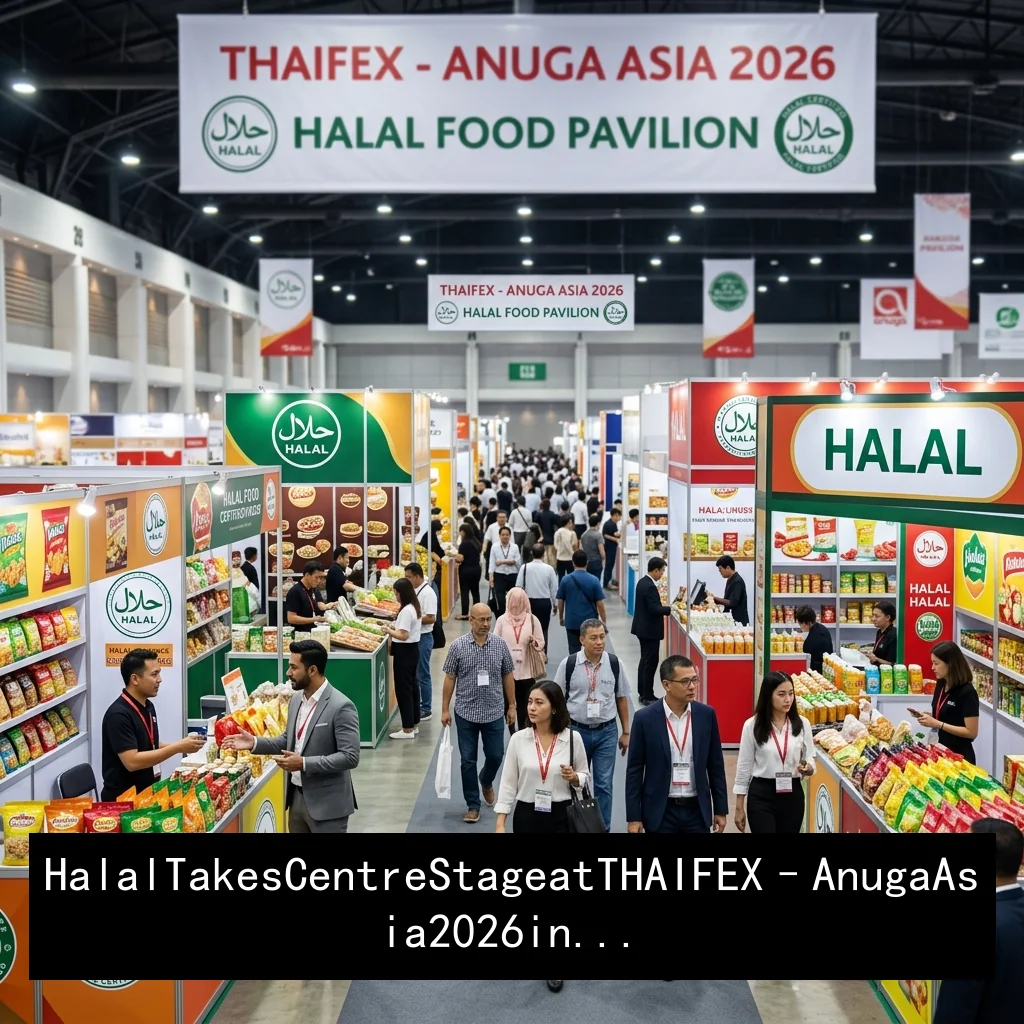
With 40% of exhibitors offering halal-certified products, Thailand is positioning itself as a key player in the global halal food economy, worth trillions of dollars.
Bangkok is clearly showing its ambition. At THAIFEX – Anuga Asia 2026, Asia’s most comprehensive food and beverage trade platform, halal is no longer a side category; it has become a key pillar of the show—proof that the global halal food economy is mature and that Thailand is determined to compete actively.
The event, held May 26 to 30 at IMPACT Muang Thong Thani, brings together participants from Thailand and 56 countries worldwide. Of the roughly 3,600 exhibitors, halal ranks among the top two categories, accounting for 40% of all exhibitors, or about 1,459 companies.
“Halal is very important to the food and beverage industry,” said Wendy Lim, General Manager of Food & Food Technology at Koelnmesse, the organizer. “Most exhibitors and suppliers come from Southeast Asia, and many already offer halal products; halal and trend development have become intertwined.”
This convergence is no accident. According to DinarStandard’s Global Islamic Economy Report 2024/25, the global halal food market is expected to reach about $2.95 trillion. In the wider Islamic economy, Muslim spending on food, pharmaceuticals, fashion, travel and media reached $2.43 trillion in 2023 and is projected to rise to $3.36 trillion by 2028.
Southern Thai provinces step into the spotlight
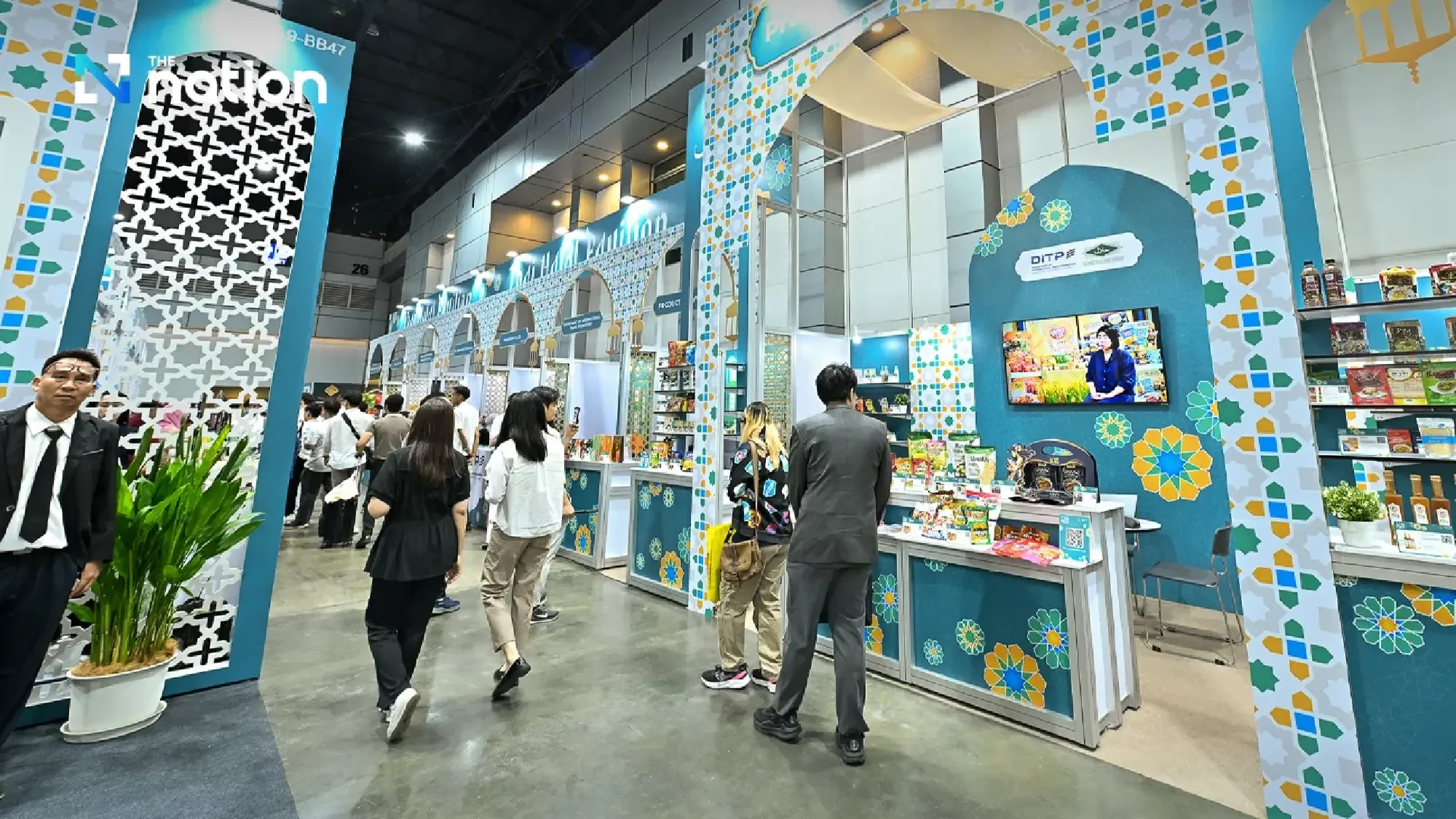
One of the most strategic booths on the show floor was the Thailand Halal Pavilion, organized by the Halal Food Section of the Office of Agricultural and Industrial Trade Promotion.
The pavilion gives 19 halal food and beverage companies from Thailand’s five southern border provinces—Songkhla, Satun, Pattani, Yala and Narathiwat—a dedicated platform, with the clear goal of helping local companies connect with international buyers and meet global market standards.
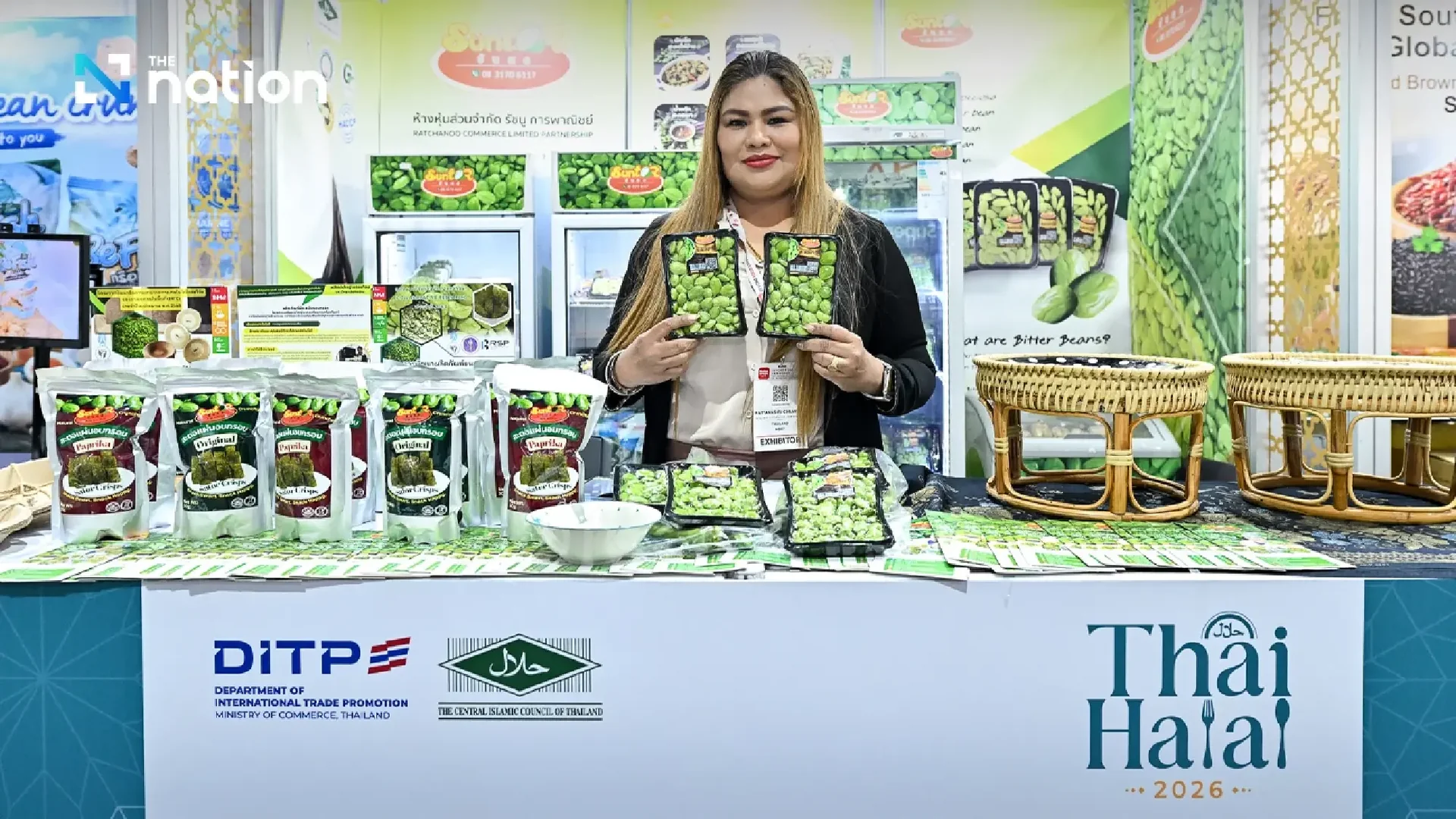
The products on display were diverse, ranging from processed fruit products, ready-to-eat meals, bird’s nest drinks, curry paste and southern Thai tea powder to baked grain snacks and novel items such as stewed mackerel with sugarcane and mushroom rice-seasoning mixes.
A cooking show hosted by four halal chefs drew large crowds, showcasing not only creative menus but also the business case for Thai halal cuisine as a vehicle for product development and value creation.
The Central Islamic Council of Thailand also had its own booth, offering consultations on halal certification registration—reflecting a practical understanding that for small producers, certification remains one of the most critical steps toward international trade.
The market redefines itself
The halal story at THAIFEX is about more than scale; it is also about sophistication. Analysts tracking the sector have identified five trends reshaping the halal food and beverage landscape in 2026.
Conscious halal—sometimes called “halal verified”—puts transparency first, requiring brands to show the full supply chain from farm to table rather than simply displaying a certification mark.
Health-focused halal responds to the rising incidence of lifestyle diseases in Muslim-majority markets, driving demand for low-sugar, organic and functional products that align with the Islamic concept of Tayyib—meaning pure, wholesome and ethical.
Mainstream inclusivity is another force. Halal products are now appearing alongside vegan and gluten-free options on menus and retail shelves, appealing to non-Muslim consumers who see halal certification as a guarantee of hygiene, ethical sourcing and quality control.
In Thailand, high-spending tourists from the Middle East are further boosting the halal economy, prompting local food brands to adapt menus while maintaining strict certification standards.
Maximum convenience completes the picture: urbanization and fast-paced lifestyles are driving demand for ready meals and delivered halal food.
The show floor reflects all of these changes. The Halal Pavilion in Hall 9 was one of the busiest areas on opening day, with visitors from multiple countries tasting products and exploring business opportunities.
The Macau pavilion prominently displayed halal symbols, showing that this certification has moved far beyond its traditional geographic core.
Regional competition and cooperation
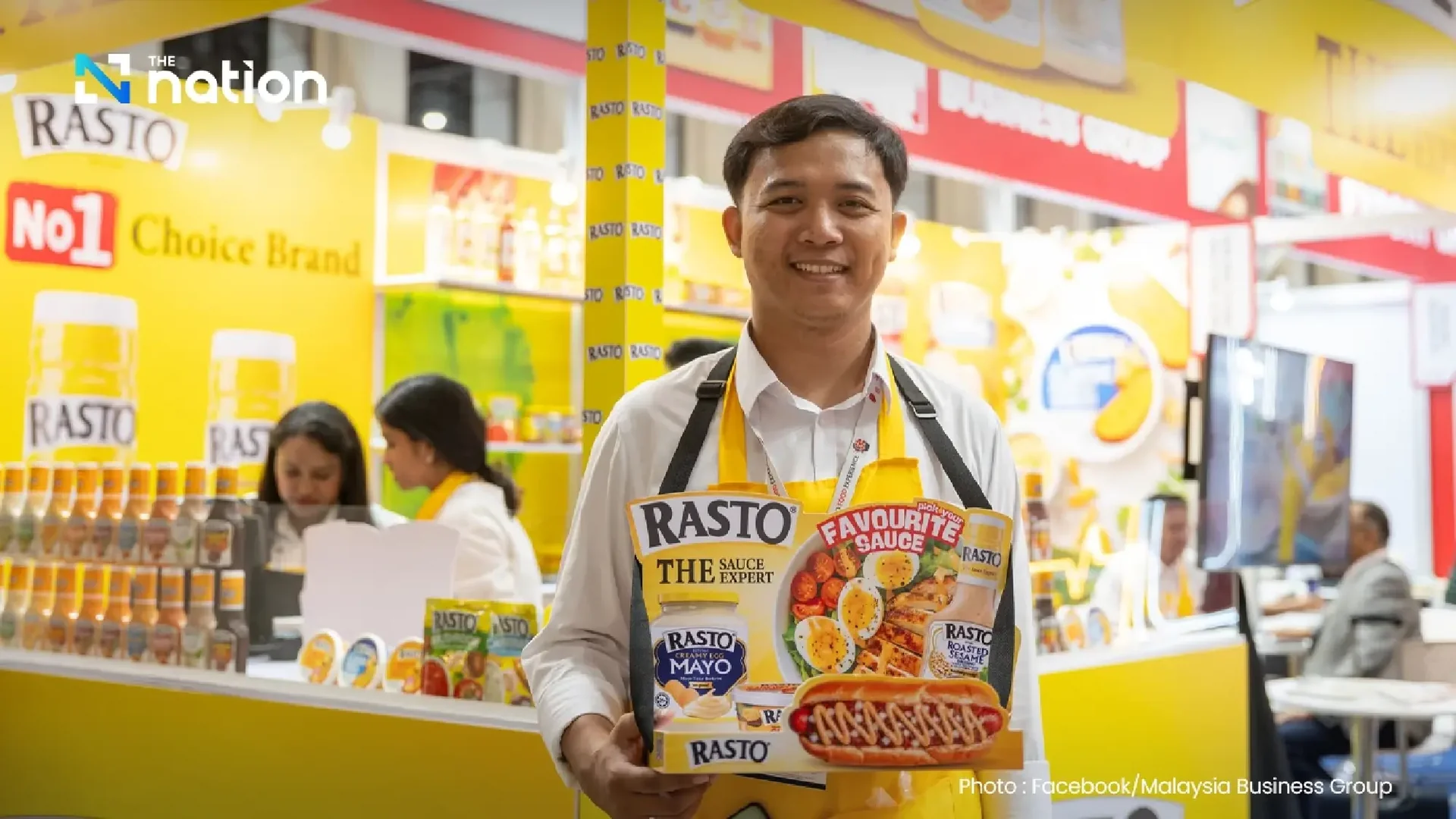
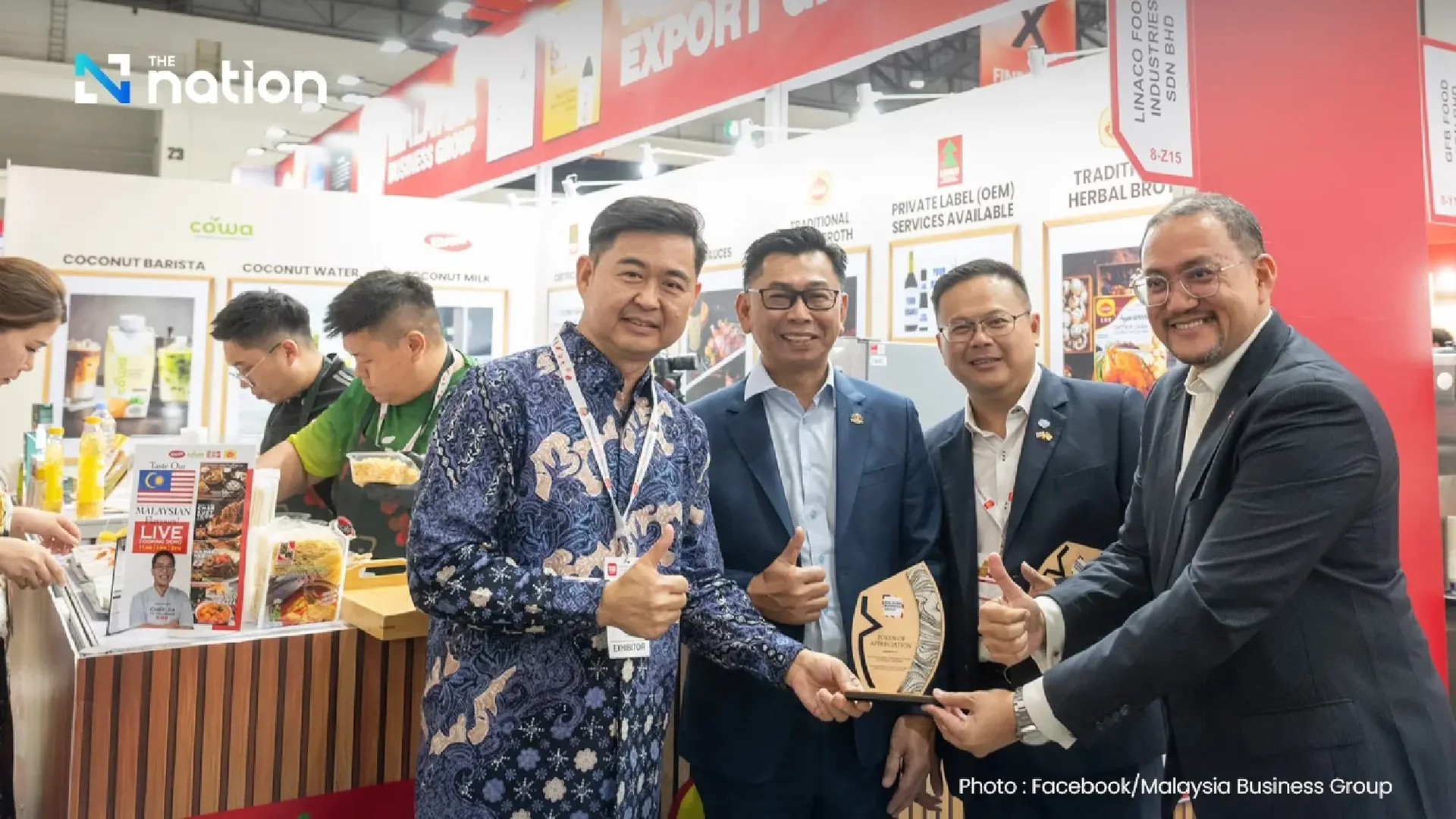
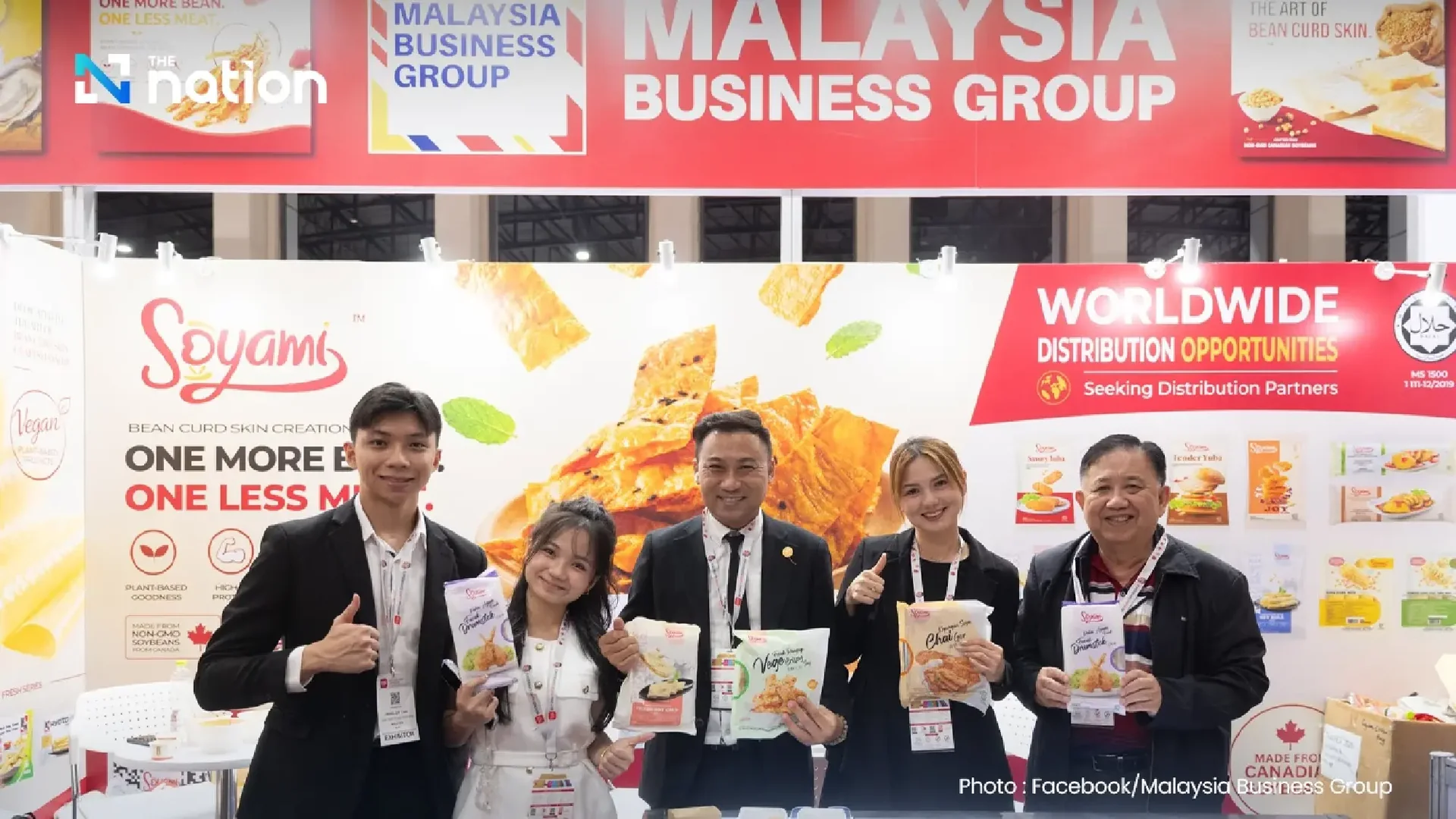
Thailand is not the only country that sees the commercial value of halal. Malaysia sent 159 companies to THAIFEX – Anuga Asia 2026, covering processed foods, halal-certified products, frozen ready meals, health and wellness products and food technology—making it one of the largest national delegations at the show.
Malaysia’s ambassador to Thailand, Dato' Wan Zaidi Wan Abdullah, described bilateral trade ties as a strategic priority, noting that trade between the two countries grew 28.5% in the first quarter of 2026 to $7.9 billion.
Using THAIFEX to promote MIHAS 2026, the world’s largest halal trade show, scheduled for September 23-26 in Kuala Lumpur, Malaysia expects to generate about $1.13 billion in trade through AI-powered business matching and smart trade promotion tools.
Still, the competitive dynamics among Southeast Asia’s halal producers are both rivalrous and complementary. Regional supply chains are deeply integrated, and the global halal market is far too large for any single country to monopolize, creating room for multiple players to expand at once.
Standards, trust and the road ahead
Despite its momentum, the halal industry still faces structural challenges. Different certification standards across countries make compliance more complex for exporters, while building resilient halal supply chains requires ongoing investment in logistics, research and expertise.
These constraints make platforms like THAIFEX – Anuga Asia especially valuable—not only as trade venues, but as spaces where certifiers, producers, buyers and policymakers can align standards and build cross-border trust, supporting credible and scalable halal business.
For Thailand, this year’s message from the show is clear: the Thai halal food industry, long rooted in the cultural and agricultural strengths of the southern provinces, is ready for the world stage.