Thai refinery stocks fall: BCP and SPRC hit by fears of regulation on refining margins
Market snapshot: six refinery-related stocks move lower
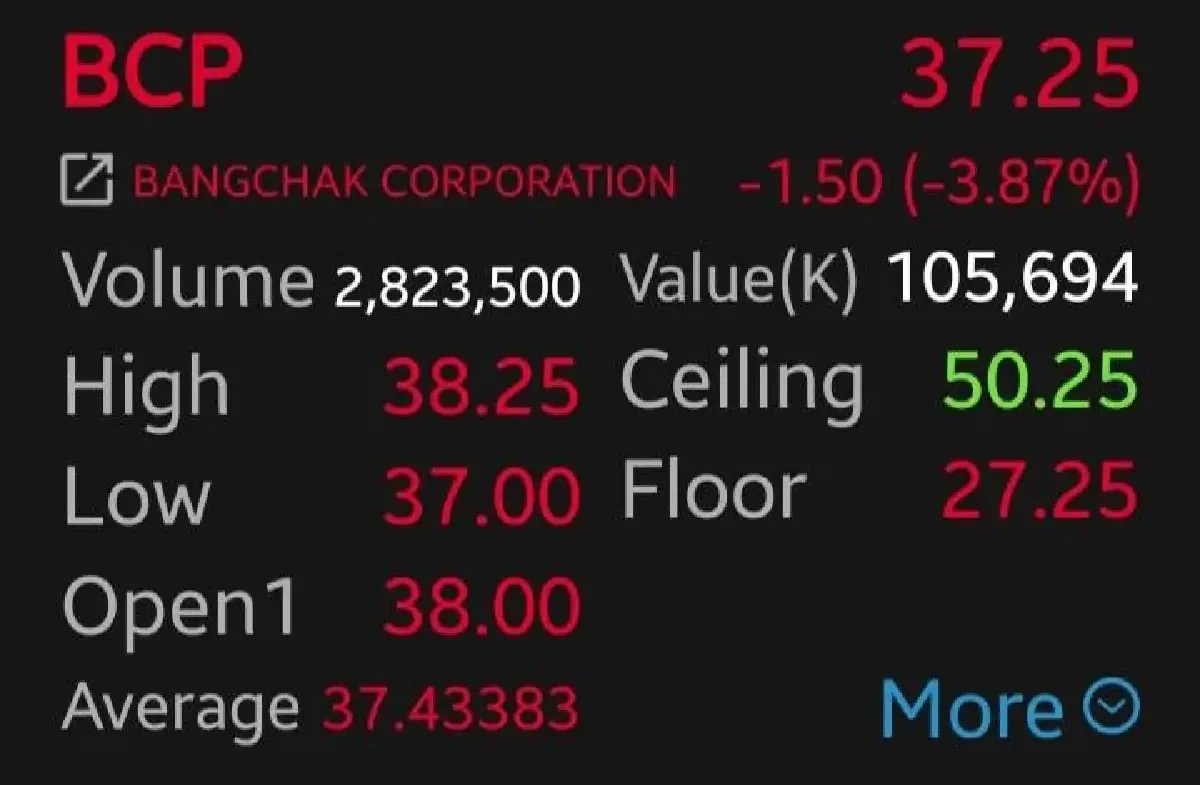
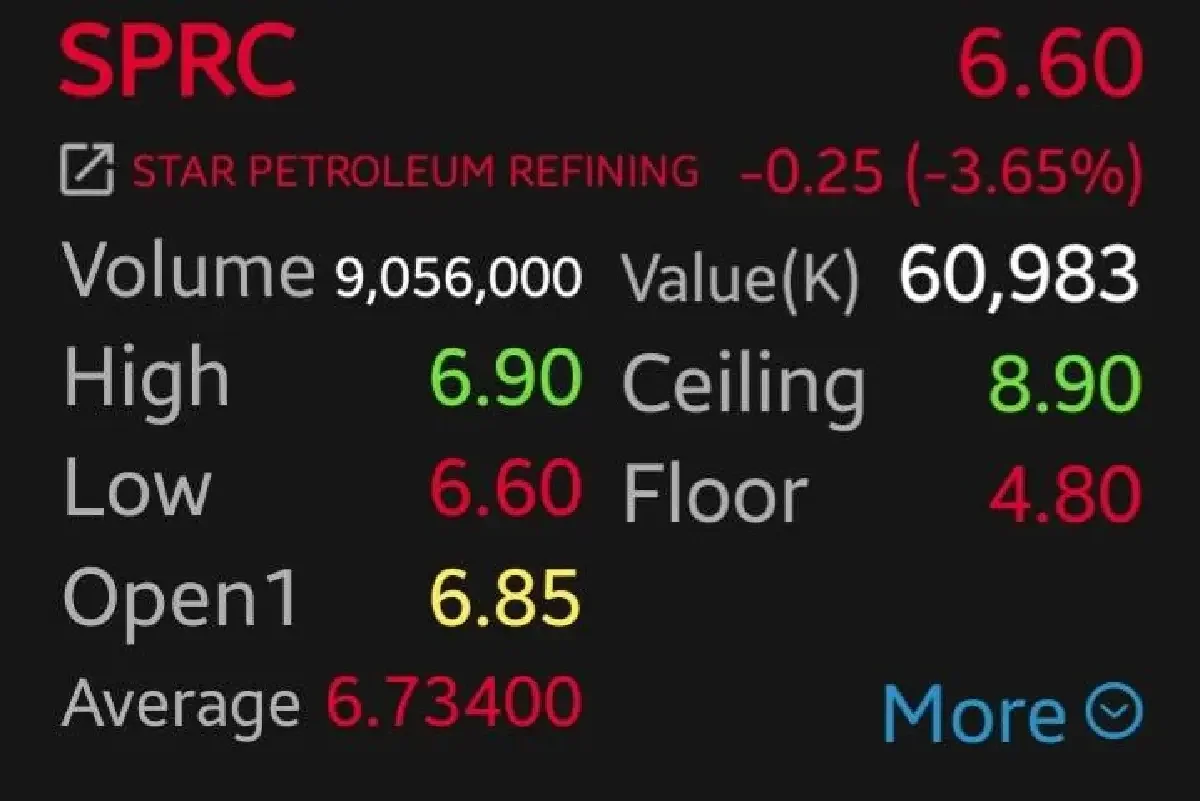
- Six stocks in the refinery sector fell, led by BCP, down 3.87%, and SPRC, down 3.65%.
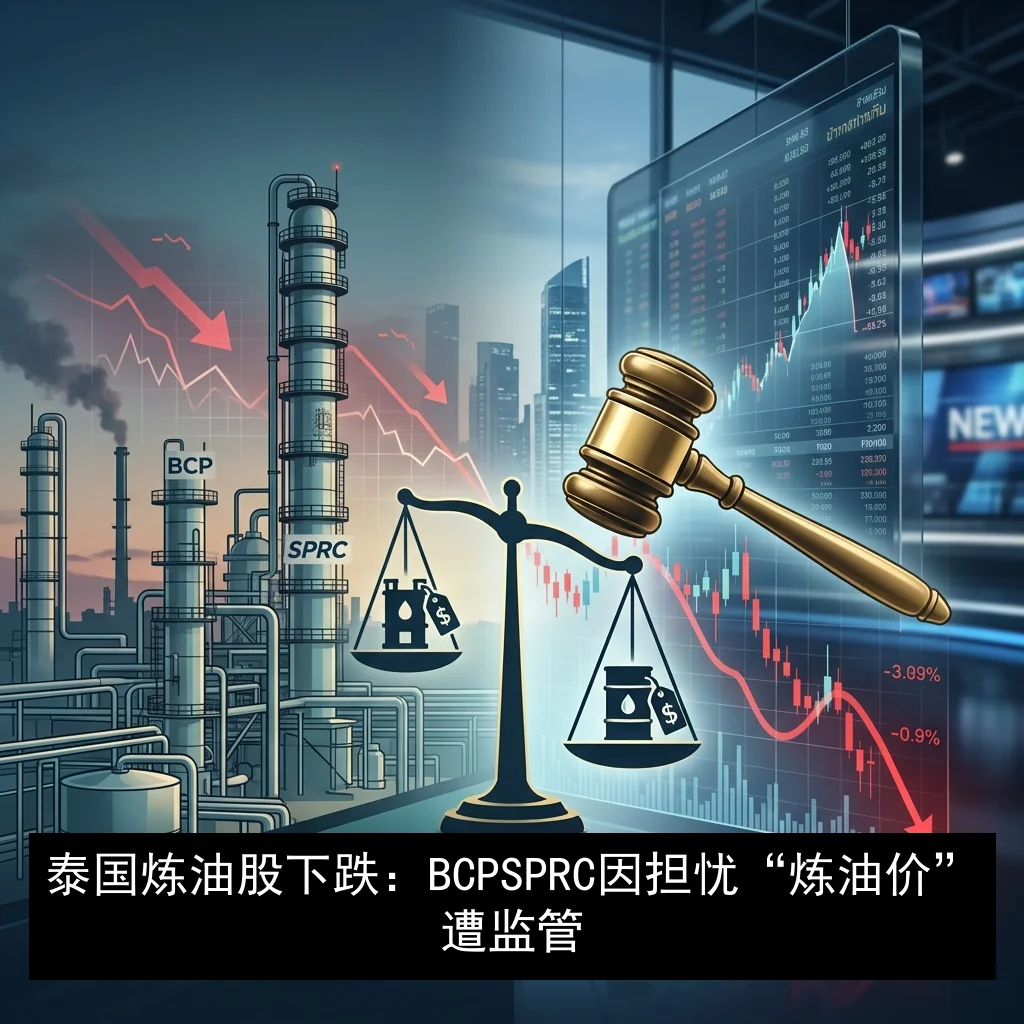
- Investors are worried about domestic reports that the government may step in to regulate refining margins, a key driver of sector earnings.
- Overseas factors are also affecting the market, especially developments in the Middle East war. If the war ends, prices could ease as speculative support that had lifted shares fades.
Morning session (Mar 4, 10:05)
In early trading on the Thai market (10:05), refinery shares moved lower. The biggest decliners were:
- BCP fell 3.87%, down 1.50 baht from the previous session to 37.25 baht.
- SPRC fell 3.65%, down 0.25 baht from the previous session to 6.60 baht.
- TOP fell 3.26%, down 1.50 baht from the previous session to 44.50 baht.
- IRPC fell 2.73%, down 0.05 baht from the previous session to 1.78 baht.
- PTT fell 1.41%, down 0.50 baht from the previous session to 35.00 baht.
- PTTGC fell 1.40%, down 0.50 baht from the previous session to 35.25 baht.
Analyst view: regulation fears and Middle East war dominate
Finansia Cyrus Securities analyst Veerawat Virojphokha said the refinery and petrochemical sector is under pressure, especially large-cap names such as BCP and SPRC, which fell more sharply. The negative factor stems from worries about local reports that the government may take over or control refining margins, leading investors to reduce positions.
Against this backdrop, TOP also came under selling pressure. The market is also watching the future trend of refining margins, as they directly affect share performance in the sector.
Overseas, the market believes the refinery and petrochemical sector mainly moves with the Middle East war. If there are signs that the Iran-related conflict is stopping, share prices in the sector may ease because the speculative momentum that had supported them could fade.
In the best-case scenario, the war could end within this month, and no later than Q2 2029. If investors are mainly speculating, they should trade the news and remain highly cautious. If there are signs of a ceasefire or peace talks, they should consider adjusting positions immediately.
For an investment strategy, it is recommended to split positions into two groups: first, defensive stocks with stronger ability to withstand volatility, such as GULF, KTB, CPF, and CPN; second, names that could rebound after the war, to position for the next phase of economic recovery across financials, retail, tourism, and transportation.
Still, investors should keep tracking government policy and war developments, and adjust their strategy accordingly to reduce the impact of future volatility in energy and refinery stocks.