The Far-reaching Impact of the U.S. Midterm Elections on the U.S. Stock Market: Opportunities and Challenges Amid Volatility
As the November 2026 U.S. midterm elections draw near, global investors are closely watching the potential impact of this political event on financial markets. Historical data shows that midterm elections are often accompanied by a significant increase in market volatility, but they may also create golden opportunities for forward-looking investors to position themselves.
Market Volatility and Historical Patterns of Midterm Elections
LPL Financial Chief Equity Strategist Jeff Buchbinder points out that historically, midterm election years are typically the weakest for stock market performance within a president's four-year term. Data shows that in these years, the S&P 500's average growth rate is only 4.6%, with the largest average drawdowns and significantly higher realized volatility compared to other years.
However, Buchbinder emphasizes that historical data also reveals another important trend: in the 12 months following midterm elections, the U.S. stock market tends to show the highest annual growth rate, offering strong prospects for investors. Dating back to 1954, the S&P 500 has risen in all 18 post-midterm election periods, with an average return rate of 18.2%.
Opportunities Revealed by Historical Data
This "first down, then up" market pattern is not a coincidence. Buchbinder explains that it reflects a common market mechanism: uncertainty peaks before the election, and once the results are announced, uncertainty begins to fade. He points out that history suggests investors should perhaps focus more on market behavior itself rather than trying to make political predictions.
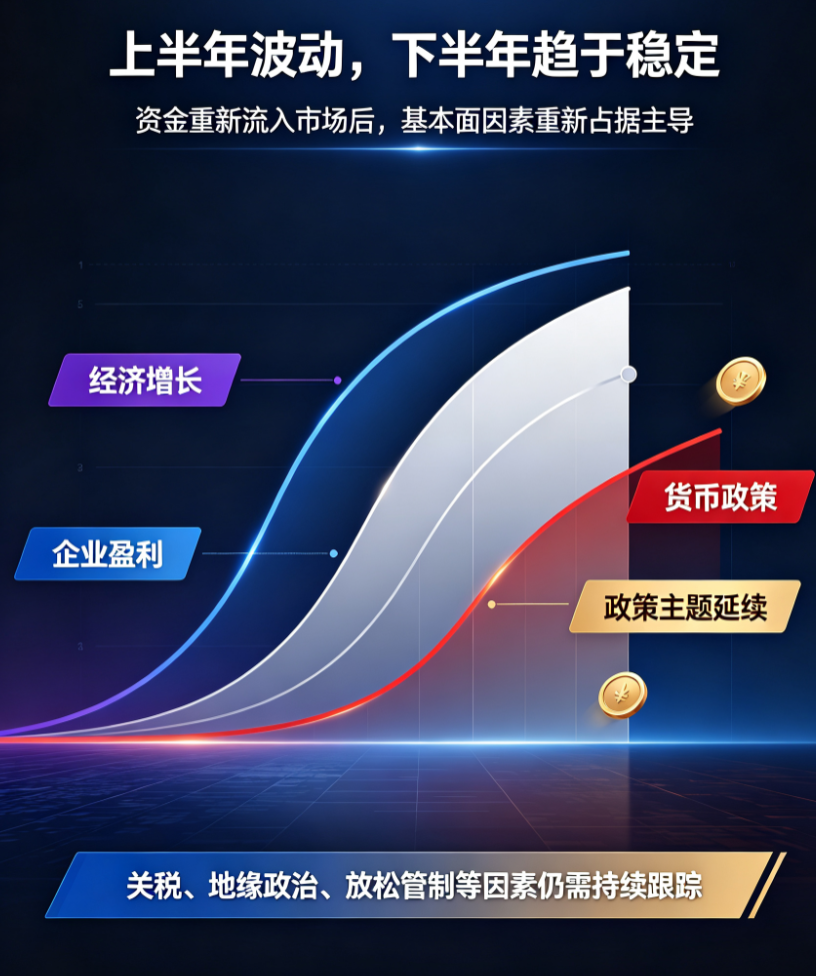
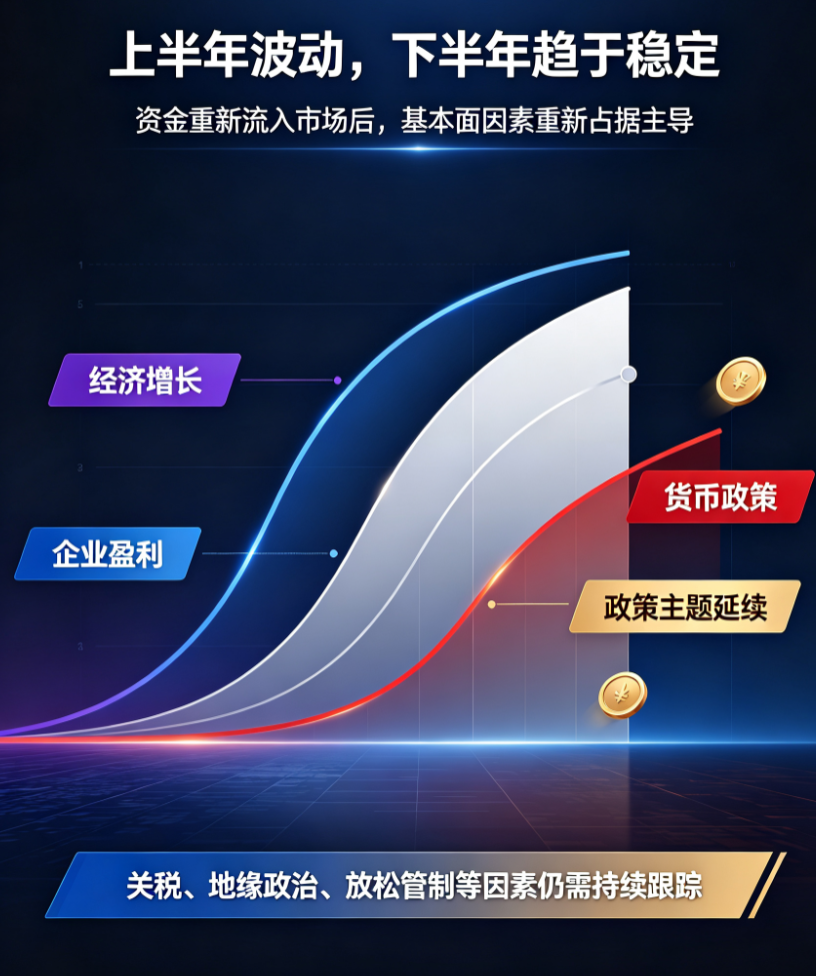
Capital Group's analysis echoes this view. The research indicates that in midterm election years, volatility is usually high and performance weak in the first half, while the second half tends to stabilize, with funds re-entering the market. However, exceptions occur in some years, reminding investors not to rely entirely on historical patterns.
Expert Opinions and Strategy Recommendations
LPL Financial's baseline expectation is that the upcoming midterm elections will result in a divided Congress, breaking the Republican control of both chambers. The market impact of this political shift cannot be ignored.
Buchbinder says a divided Congress may lead investors to expect fewer major legislative changes, while volatility on key issues like government funding and the debt ceiling will increase. However, on the positive side, investors will gain a clearer understanding of the policy environment, allowing attention to shift back to fundamentals such as economic growth, earnings, and monetary policy.
He adds: "While midterm elections may test investors' patience, discipline will also be rewarded. Rather than trying to predict election outcomes, investors should perhaps prepare for volatility during the election process and be ready to seize opportunities once uncertainty begins to dissipate."
Policy Direction and Market Expectations
Morgan Stanley takes a more cautious stance in its latest report. The report emphasizes that historical data shows midterm elections have limited impact on financial markets, and focusing on tangible policy changes and durable policy themes is more effective.
Morgan Stanley predicts that midterm elections will not lead to a substantial shift in U.S. policy direction that would alter the macroeconomic outlook. Policy factors driving market developments, such as tariffs, geopolitics, and deregulation, are likely to persist. This means investors need to maintain ongoing attention to the macro policy environment rather than overly focusing on the short-term impacts of the election itself.
Conclusion: Finding Value Amid Volatility
Based on various analyses, the 2026 U.S. midterm elections may bring short-term volatility to the market, but for investors with a long-term perspective, it is also an opportunity to reassess portfolios and adjust strategies. Historical data repeatedly proves that markets eventually return to fundamentals, and those who remain calm and disciplined amid volatility often reap substantial rewards after market uncertainty subsides.
In the current uncertain macro environment, investors should maintain a flexible attitude, neither overly pessimistic nor blindly optimistic, but rather seek investment opportunities with genuine long-term growth potential based on in-depth analysis of market fundamentals. Midterm elections will eventually pass, and the rewards of wise investment decisions may continue to manifest in the years to come.