Profit Growth Potential
Major domestic banks in Thailand, including TTB, KBank, and SCBX, have incorporated the ESG ratings of SET-listed shipping companies into their core credit assessment metrics. Low-carbon shipping assets qualify for preferential policies such as green loan interest-rate discounts and extended repayment terms.
3. Laem Chabang Port (EEC) green infrastructure supports local shipowners' methanol routes
The Phase 3 expansion of Laem Chabang Port, the core hub of Thailand's Eastern Economic Corridor (EEC), was completed in the first quarter of 2026. Dedicated methanol bunkering berths are planned to resolve fuel-supply bottlenecks for the low-carbon routes of Thailand's listed shipping companies:
- Port facilities: space reserved for methanol storage tanks and bunkering pipelines; procurement of bunkering equipment will begin in 2027. Ships calling at methanol bunkering berths can receive a 20% discount on terminal handling charges.
- Capacity expansion: annual container throughput will increase by 60%. Upgraded liquid bulk terminals can accommodate PSL methanol product tankers and RCL short-haul methanol-fueled container ships on a regular basis.
- Cost offset: the Port Authority of Thailand has moderately raised container terminal fees by 16%–29%, but long-term subsidies for low-carbon propulsion vessels have been introduced to offset pressure from rising freight costs.
The Map Ta Phut Industrial Port has also expanded its liquid chemical transshipment area for the storage and transfer of palm oil and industrial methanol. This improves Thailand's domestic green fuel supply chain and lowers fuel procurement costs for listed shipping companies.
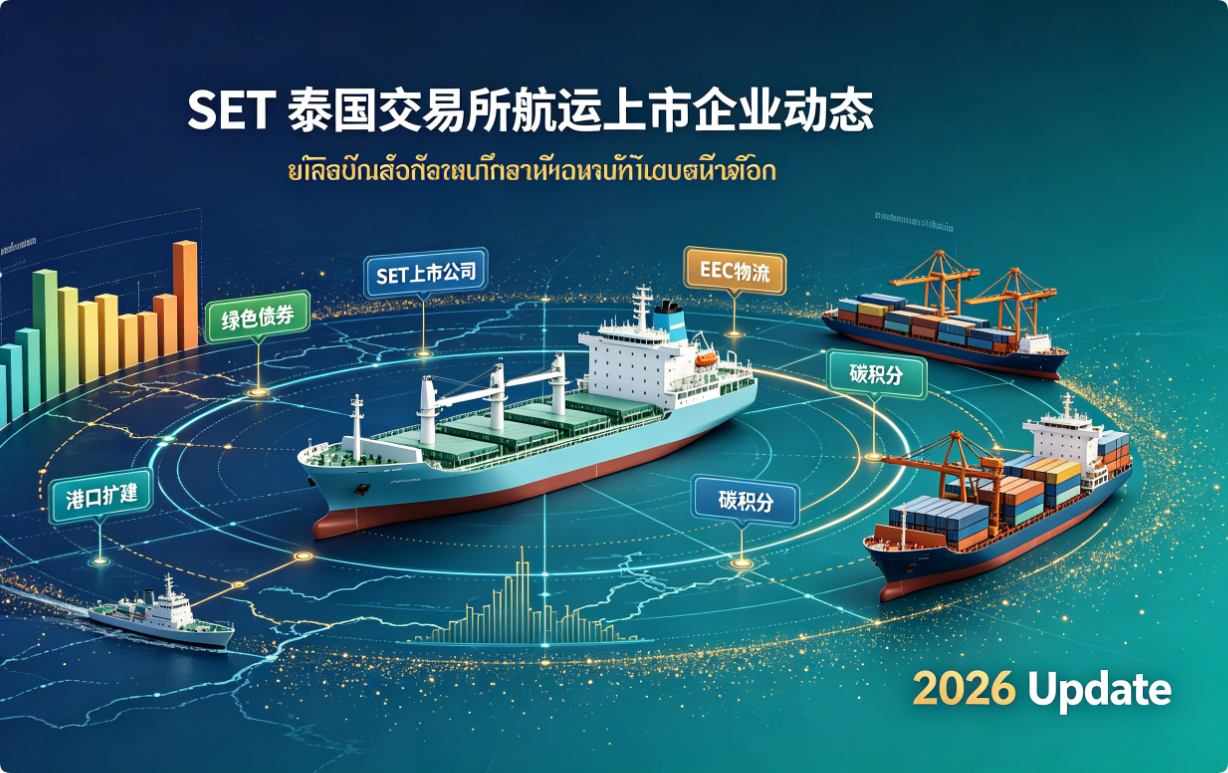
4. Cross-border carbon market linkage creates new profit drivers
Thailand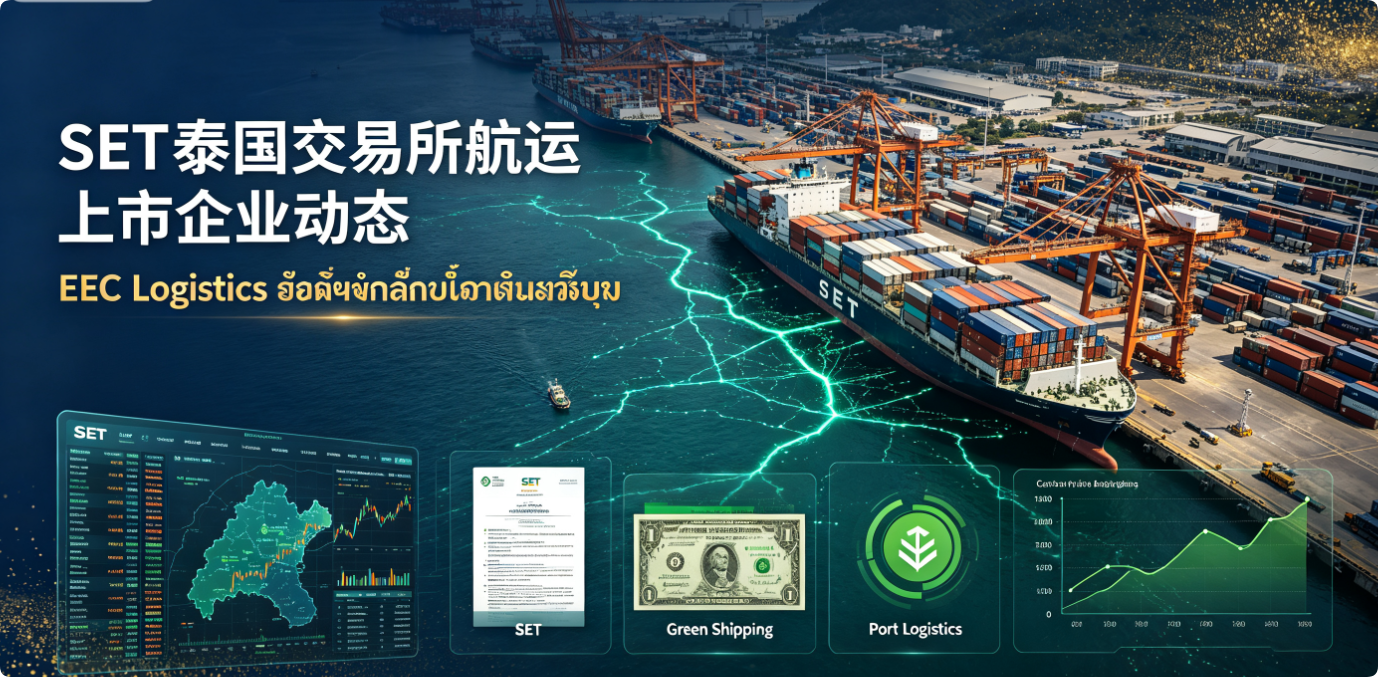 and Singapore officially launched a bilateral carbon credit recognition framework in 2026, opening a cross-border monetization channel for the carbon assets held by SET-listed shipping groups:
- Domestic trading: T-VER voluntary emission reductions generated by vessel decarbonization can be listed and traded on Thailand's carbon exchange.
- Cross-border circulation: eligible carbon credits can be traded directly in Singapore's carbon market, increasing carbon-asset liquidity.
- Compliance risk avoidance: surplus emission reductions from methanol-fueled vessels can offset EU CBAM carbon tariffs, avoiding heavy carbon penalties on deep-sea routes and creating a core competitive edge that conventional-fuel fleets do not have.
5. Industry Market Outlook
In the first quarter of 2026, institutional investors increased their holdings of SET low-carbon shipping stocks. Net foreign buying of RCL and PSL shares rose 42% quarter on quarter. Industry analysts predict that over the next two to three years, more small and medium-sized Thai shipping companies will seek main-board listings on the SET, with all funds raised going first to new methanol dual-fuel tonnage.
With the support of four major advantages—SET green financing incentives, low-interest green loans from local Thai banks, EEC port methanol bunkering infrastructure, and mutual recognition of bilateral carbon credits between Thailand and Singapore—Thai listed shipping companies will fully decarbonize their fleets and establish deep ties with Singapore's international green shipping hub, creating a two-way channel that connects real shipping operations in Southeast Asia with cross-border capital markets.
Conclusion
Thailand's SET-listed shipping leaders such as RCL and PSL are driving decarbonization through methanol vessel conversions, fully leveraging multiple advantages such as exchange ESG rules, sustainable green bonds, and regional carbon trading. The completion of green bunkering facilities at Laem Chabang Port fills a critical gap in the industry chain, enabling Thai domestic shipping companies to meet IMO global decarbonization targets and EU carbon compliance rules, supporting continued valuation gains.